Things people may or may not know…. or notice about seniors

Having had the benefit of working with seniors in many capacities for many years, brings a particular insight, perspective and knowledge base…
Just because someone looks like they're fine” from all outward appearances, doesn’t mean they are without significant challenges.
And yet they persevere… which is so commendable!
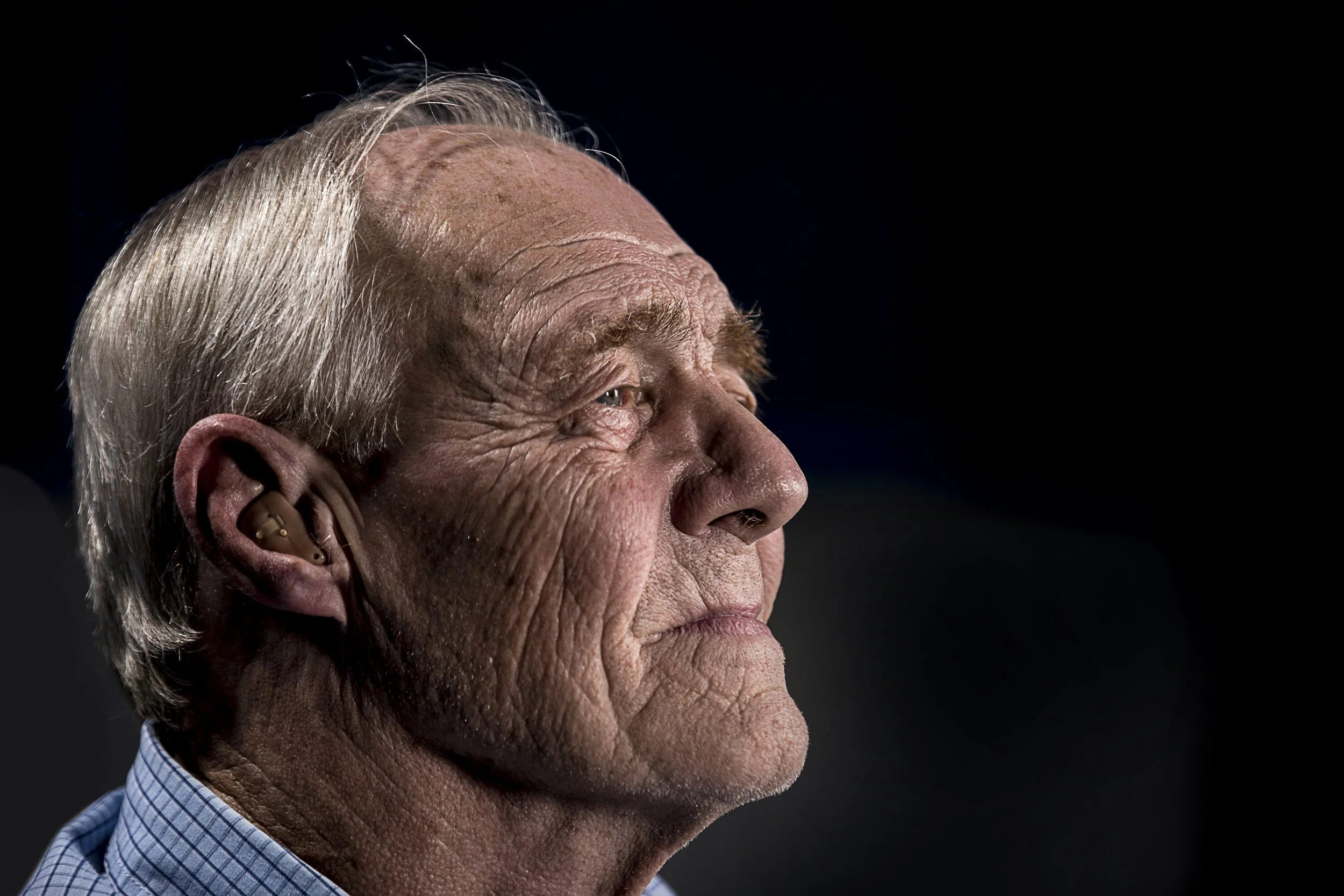
Examples - ‘Hidden disabilities’. You can’t notice many eye diseases such as macular degeneration - Destroys the light sensitive cells in the retina - Macular degeneration progressively eliminates central vision, leaving your clear peripheral vision intact. It causes a blurry, distorted, or dark spot directly in the center of your field of view, making daily activities like reading text or recognizing faces very challenging. Glaucoma is a loss of peripheral-side vision.
Retinitis pigmentosa is an eye condition beginning with night blindness. The eyes struggle to adjust to dim lighting or darkness, making it difficult to navigate unlit rooms or drive at night.
Small blind spots develop with sidevision. Usually central vision is intact.
None of these eye diseases are obvious to onlookers.
It is the person’s responsibility to inform others, so that they can tell others how best to accommodate their needs. Of course, it doesn’t happen often, whether they are embarrassed, getting used to their challenge and may not want to call attention to it. It just makes life harder when so many changes are happening.
Other Hidden Disabilities relating to Cognition -
Cognition is the mental process of acquiring, processing, and understanding knowledge through thought, experience, and the senses.
General areas include paying attention and focusing, learning and different types of memory such as short term (working) Long term and sequential memory, other higher functions such as planning, problem solving decision making, controlling emotions, processing (taking information in and interpreting what you see and hear); reasoning and thinking skills that involve analyzing, evaluation, being self reflective and being creative.
A senior may appear just fine for basic social conversation
However, when it involves memory or other higher level skills, it may appear to others that ‘something is wrong.’ Often memory deficits, especially short term memory problems, are the most noticeable to others.

3) Discounting the effects of advanced age.
I had someone say to me, ‘Why does Sally need a caregiver?
She is so active and participates in everything.”
The senior in question happens to be 99 years old!
Yes, she is a marvel and unique!
She has learned how to stay active and enjoy life because she has a caregiver. It is all about energy and endurance.
Even I, barely over 70, but with a physical disability and no one to assist, have to be cognizant of energy expenditure and ‘running out of gas.’ Sally has a caregiver to do the laundry, make the bed, ironing, shopping, errands etc that would totally deplete a 99 year old!
Such things even deplete me! Rest and naps are needed to
recharge!
4) Making the transition - willingly or not-
Children of seniors are a lot more mobile than those in the past.
Therefore, in order to maintain their lifestyles with their children, they try to find a placement for their parents. They visit and read the internet accounts and brochures, and get in touch with marketing staff.
Sometimes it works out for the better. But, if the seniors who are asked to make the transition are not really the ones making the decisions, resentment, depression, and difficulty acclimating can occur.
Some seniors don’t really want to be in the new environment.
They miss their old home, their garden, their former friends etc.
A high percentage of senior couples and singles are introduced
to a new residence by younger family members out of convenience for the family. This provides the opportunity to be closer to seniors for support, entertainment or a health emergency.
This makes good sense on paper and works for many families.
However, some are not as involved and may travel or live in a geographically distant location. Frequent communication is important in order for the senior making the transition not to ‘feel forgotten.’

5) The ‘Hot Potato’ Effect-
I coined this phrase, as I have seen several cases over the years of family members seemingly finding what they think is a great independent living community with the beautiful aesthetics, all of the whistles and bells, along with the high price.
It may be a high quality community. However, families may think, the more money I pay, the more services are available.
They mentally and physically ‘drop them off like a hot potato,’ leaving the responsibilities where it doesn’t belong.
This is true to some extent regarding food and activities.
However, independent living is not overseen by Medicare and does not provide medical services. They may refer to a vendor to provide homecare services.
BUT, the staff and residents are not there to ‘babysit’ a resident with significant challenges!
When this occurs, it puts undue stress and pulls resources from other areas of need.
It also sets up an unfair environment for other residents.
Bottom line, if a senior has significant challenges, it is the responsibility of a family to have their loved one medically evaluated and seek out a continuum of care community.
My feeling is that ethically and morally, a future resident should be referred to a community that best fits their needs at the moment, particularly if they have more needs than can be provided in an Independent living setting.
***Yes, revenue ‘keeps the ship on course’, but it shouldn’t be at the expense of the senior member of the family or the future community.
Navigating all of the subtleties, changes and demands of life in 2026 can be a minefield. It can be particularly difficult in making transitions for seniors.
When all is said and done… I advise everyone to do your homework, take information with a few ounces of healthy skepticism and a few pounds of compassion for your senior family member.
Thanks for reading and sharing!
Other Senior Related Blogs-
1) https://donnagore.com/blog/fear-of-retaliation-in-long-term-care;
2) https://donnagore.com/blog/nbspsocial-isolation-the-best-kept-secret-in-healthcare
Donna